On this page
DIRECT ANSWER
What the player needs to know
From folklore to game evidence
Folklore can explain the visual and cultural idea behind a creature, but it cannot establish the game’s mechanics. A legendary weakness to silver, fire or sunlight is not a Dawnwalker weakness until an official description or repeatable encounter proves it.
The official bulletin is used for names and developer-presented context. Launch observations will be stored separately with platform, difficulty and game version.
What every bestiary entry will contain
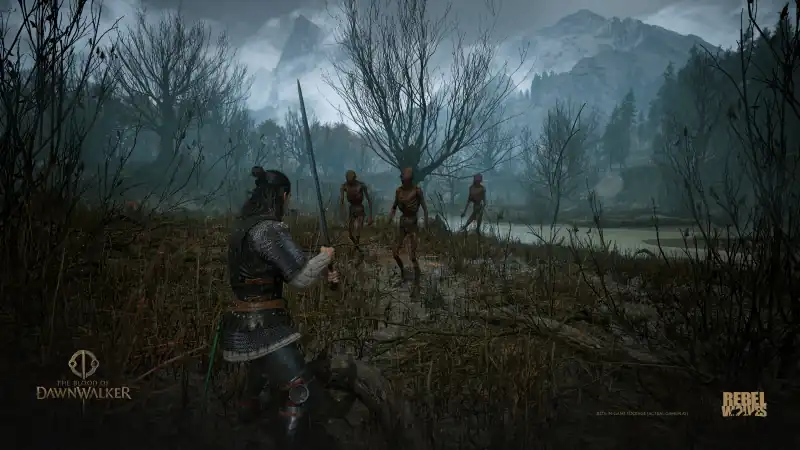
The final directory will favor encounter usefulness over decorative lore. Each entry will name recognition cues, habitat, attack patterns, tested defenses, rewards and the evidence behind any day/night change.
| Field | Evidence standard |
|---|---|
| Name and type | Official field note or in-game record |
| Location | Repeatable map and quest state |
| Attacks | Observed move with readable cue |
| Weakness or resistance | Controlled comparison on one version |
| Drop or reward | Repeated result or fixed quest reward |
How to use this page before launch
Use it to identify the setting’s confirmed creature direction, not to prepare an invented counter-build. The combat and day/night guides contain the systems that are already actionable.
Launch bestiary testing will identify a creature through the game’s name or codex before measuring it. Encounters will record place, quest state, day/night form, difficulty and patch. Weakness tests will compare controlled attacks rather than importing folklore, while drops will be repeated enough to distinguish fixed rewards from random results. Bosses with unique route conditions will receive substantial pages later; ordinary variants will remain in the shared bestiary so the site does not create one thin page per visual variation. Where a creature changes behavior between Coen’s forms, both encounters will use comparable skills and equipment. Visual variants will be grouped until the game gives them a different name, move set or reward profile.
- Do not import folklore weaknesses as stats.
- Do not turn key art into an encounter location.
- Wait for repeatable drops before publishing rates.
Frequently asked questions
Are all monsters vampires?
No. Official material describes a broader set of beasts and monstrosities influenced by regional folklore.
What are monster weaknesses?
Weaknesses need controlled launch testing. Folklore associations are context, not mechanical proof.
REFERENCE RECORD
Sources used for this page
See what official sources mean by Dawnwalker’s open world, which landscapes make up Vale Sangora and why map-size estimates remain separate.