On this page
DIRECT ANSWER
What the player needs to know
Day and night are two toolsets
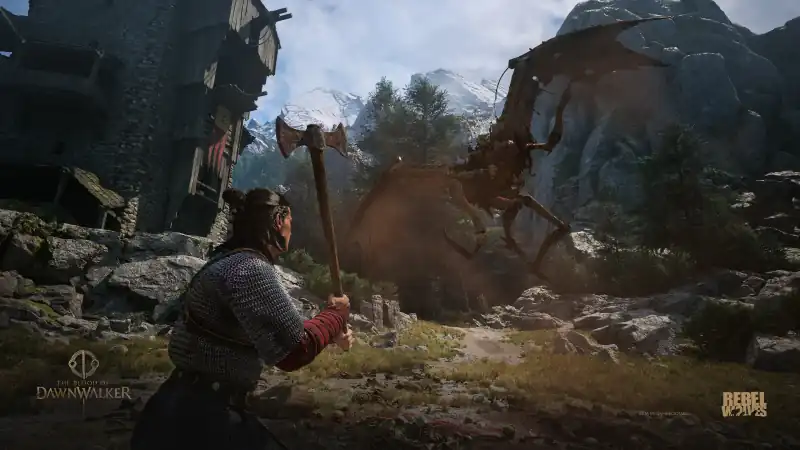
Daylight does not make Coen powerless. Official material shows directional sword combat and Witchcraft as meaningful human options. Night adds supernatural strength, mobility and vampiric skills, which can change how a guarded space or dangerous encounter is approached.
The useful question is therefore “which form suits this obstacle?” rather than “which time is stronger?” A route that is efficient at night may expose another consequence or be unavailable to human Coen, and vice versa.
| Day | Night |
|---|---|
| Coen remains human | Coen becomes a vampire |
| Swordplay and Witchcraft remain central | Vampiric powers expand the toolset |
| Some approaches are day-specific | Different access and combat routes may open |
Do not confuse time of day with the 30-day budget
The day/night state and the narrative time resource interact, but they answer different questions. The 30-day clock limits committed actions across the story. Day and night determine which version of Coen and which approaches are available at a given moment.
Until the release build is observed, this guide will not claim that waiting, resting or switching state always costs a fixed number of hours. Check the interface prompt rather than importing assumptions from other RPGs.
What to record when testing a route
When a location changes between day and night, record more than whether a door opens. Note the current quest state, Coen’s form, any skill requirement, the displayed time cost and the consequence after leaving. That produces a repeatable route instead of an anecdote.
The release test will compare the same location and objective in both forms with identical skills where possible. It will record how the transition is initiated, whether a cost is displayed, which routes become available and whether NPC or enemy placement changes. A power shown at night will not be called night-exclusive until the human state is tested. Likewise, one blocked daytime door will not become a universal access rule. This keeps form, time of day, quest state and the 30-day resource as separate variables.
- Quest and objective state
- Current form and unlocked skills
- Entry point or traversal power used
- Time cost shown before committing
Frequently asked questions
Can I freely switch between day and night?
The premise and different approaches are confirmed, but the exact switch method and any cost need launch-build verification.
Is human Coen weaker?
Official material presents a different toolset, not a useless one. Swordmastery and Witchcraft remain central during human play.
REFERENCE RECORD
Sources used for this page
Learn the confirmed structure of directional swordplay, Witchcraft and vampiric combat before launch values make precise build advice possible.